Exploring the “Swirly” Nature of our Nervous System
One of the most exciting things for me about the brain and the nervous system is that we keep learning more about what it is, what it does, and how it [...]



One of the most exciting things for me about the brain and the nervous system is that we keep learning more about what it is, what it does, and how it [...]

By Lisa Dion, LPC, RPT-S The more therapists I teach, the more aware I become that the concept of regulation or becoming regulated is often misunderstood. Many people think that being regulated [...]

By Peter Bliss Speaker, Author, Coach, Mindfulness Expert & Demartini Method Facilitator, Neuroptimal Neurofeedback Brain Trainer _____ Many leaders, gurus, even health "experts" are telling us to stay calm. I understand their [...]
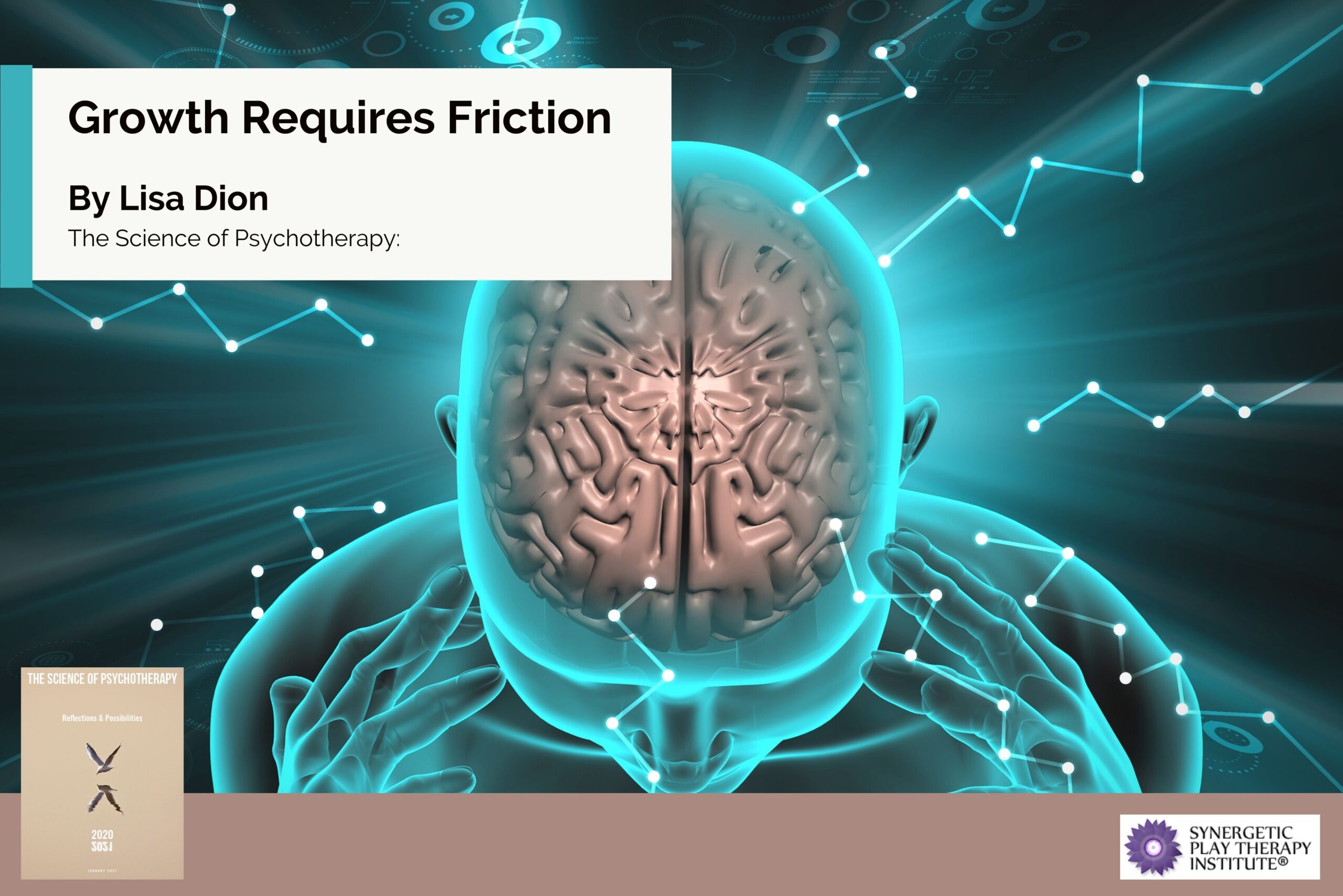
By Lisa Dion, LPC, RPT-S In this article published in the Science of Psychotherapy magazine, Lisa talks about how growth requires friction. It requires tension points and challenge. It requires moving out [...]

Memories – they may be in the corners of our minds, but they’re also in the corner with questions: the age that memory develops is a hot topic. Many people assume that [...]
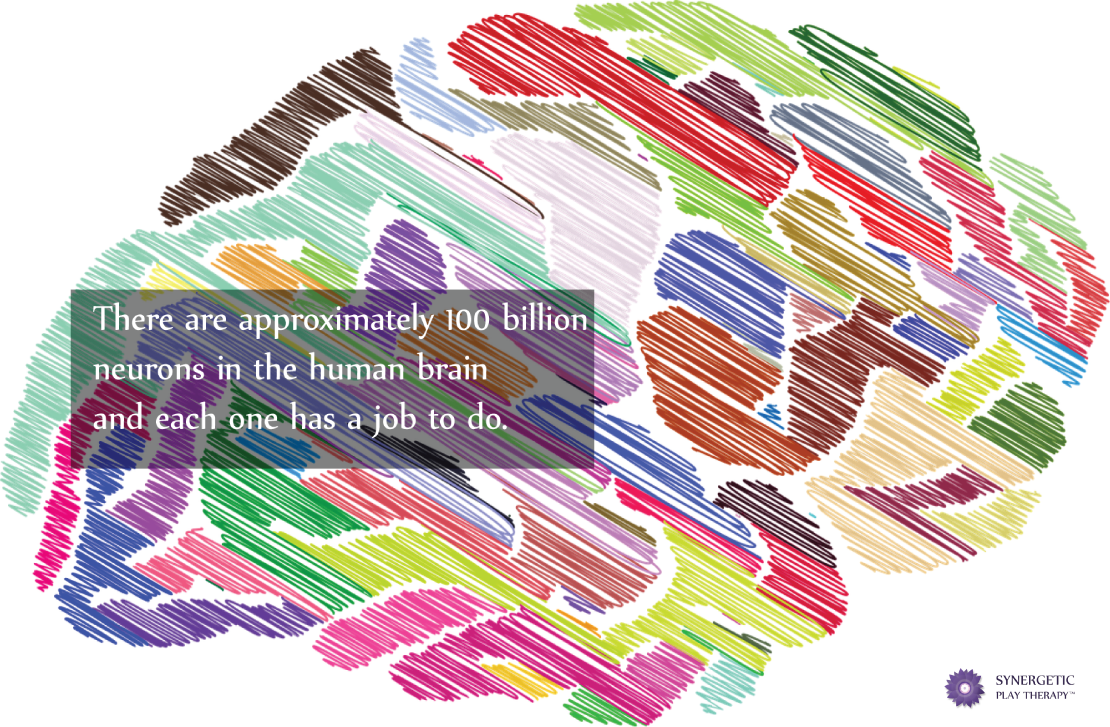
By Lisa Dion, LPC, RPT-S The brain, for all its greatness, is also highly susceptible to experiences that register as traumatic - after all, one of its main jobs is to assess [...]

by Lisa Dion, LPC, RPT-S For many humans, connection with animals has been a huge part of their lives. From the deep sense of companionship to the ability to attune to our [...]
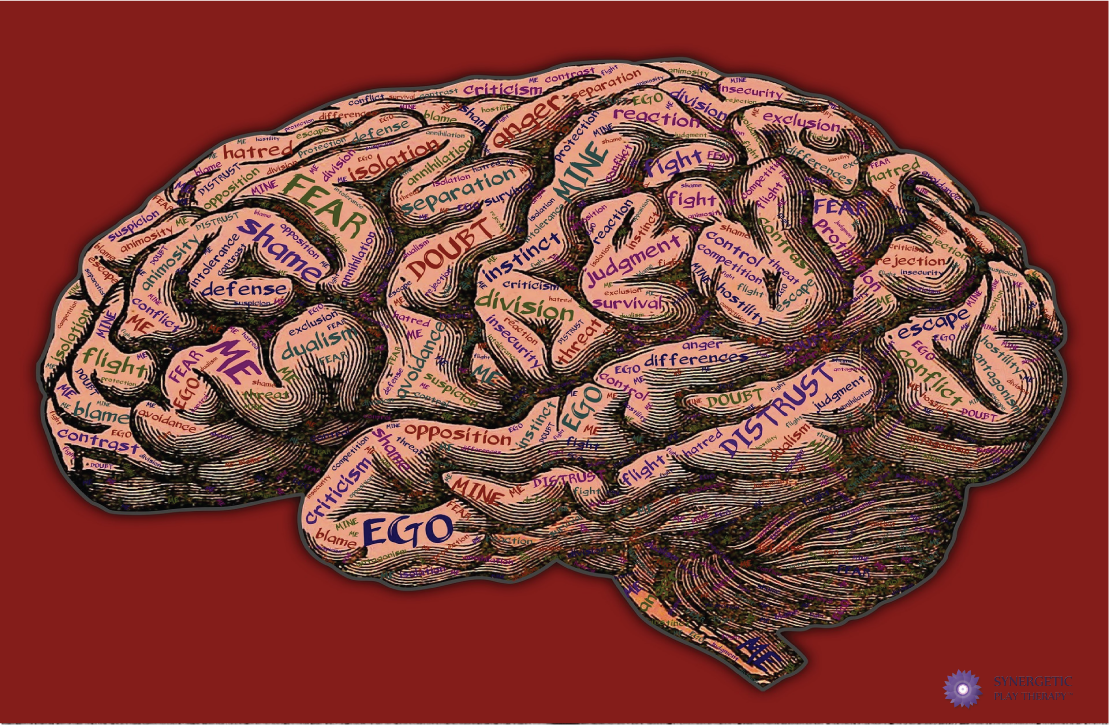
by Lisa Dion, LPC, RPT-S Most of us, at some point in our practice, will encounter a parent not yet sold on play therapy – we come across dads full of doubts [...]

How and Why a Child's Brain is Doing What It's Supposed to Do When Confronting the Unknown How many unknowns are there to a three-year-old? How much is new for a two-month-old [...]
Balancing the Left Brain & the Right Brain in Play Therapy By Lisa Dion, LPC, RPT-S Play therapy is very much a right-brain experience. When a child is playing, their right brain [...]